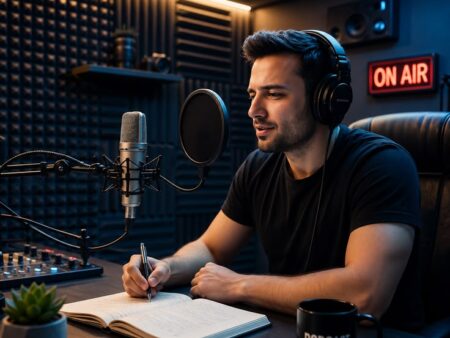

A podcast is a series of digital audio or video episodes available on the internet that anyone can stream or download for free. Think of it like an on-demand radio show — except it can cover absolutely any topic, it runs on your schedule, and it lives in your pocket through a podcast app. Whether you are commuting, exercising, or cooking dinner, a podcast is always ready to play.
In this guide, we answer every question beginners ask — what is a podcast, what is a podcast example, how does it work, where do you find podcasts on YouTube and apps, and how do podcasters actually make money.
What is a Podcast and How Does it Work?
A podcast is a digital media series made up of individual episodes, usually focused on a specific theme or niche. Episodes are recorded in audio or video format, uploaded to a podcast hosting platform, and then distributed to listeners through podcast apps, websites, or platforms like YouTube and Spotify.
Here is how the full process works step by step:
- A creator records an episode using a microphone and recording software
- The audio or video file is uploaded to a podcast hosting service such as Buzzsprout or Anchor
- The hosting service generates an RSS feed — a link that automatically sends new episodes to every platform
- Listeners find the podcast through apps like Apple Podcasts, Spotify, or Google Podcasts and subscribe
- Every time a new episode is released, subscribers receive it automatically
The word “podcast” itself comes from combining “iPod” and “broadcast” — a name that stuck from the early 2000s when the format first became popular. Today, podcasting has grown into a global industry with over 100 million active listeners in the United States alone.
For professional podcast production support, visit Podcast ColaP — a team dedicated to helping creators and brands build powerful shows.
What is a Podcast Example?
Some of the most well-known podcast examples include:
- The Joe Rogan Experience — long-form conversational interviews with celebrities, scientists, and public figures
- Serial — investigative true crime journalism told in episodic chapters
- How I Built This — interviews with entrepreneurs about how they built famous companies
- The Daily by The New York Times — a short daily news podcast covering current events
- Crime Junkie — a straightforward true crime podcast released every Monday
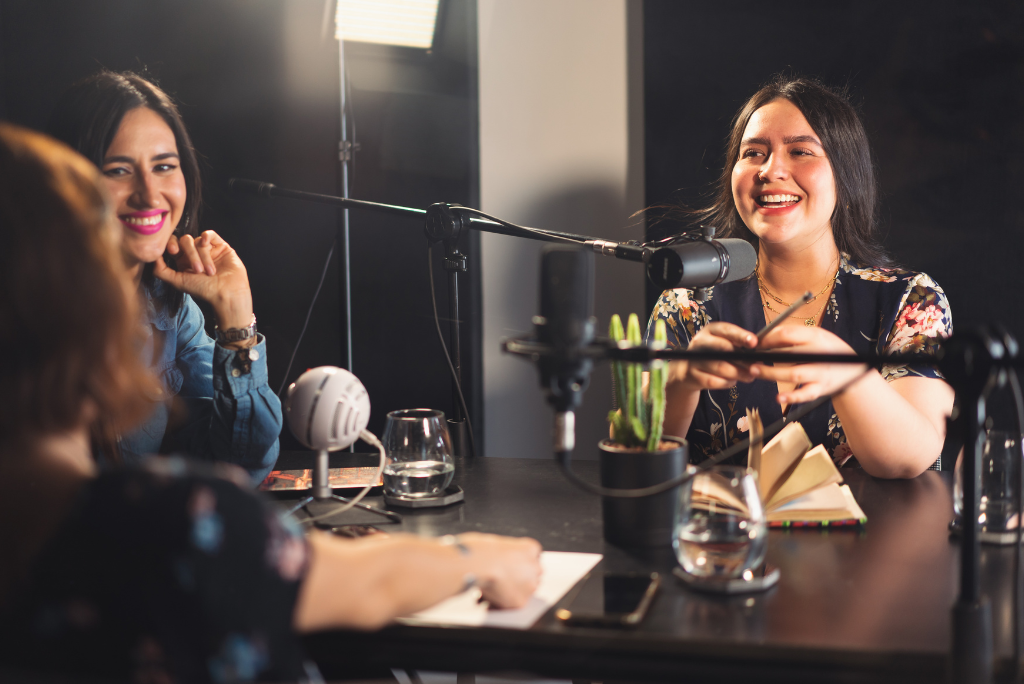
These are all examples of what a podcast can look like — but the format is incredibly flexible. A podcast can be two friends talking, a solo expert sharing knowledge, a scripted drama, or a brand producing educational content for its audience.
According to the Podcast Agency Network, the most successful podcasts focus on a specific niche audience rather than trying to appeal to everyone. Narrowing your topic actually increases your chances of building a loyal, engaged listener base.
What is a Podcast on YouTube?
YouTube has become one of the biggest podcast platforms in the world. A podcast on YouTube is simply a video version of a podcast episode — usually showing the hosts, guests, and studio setup on camera while the conversation takes place.
Many podcasters now record both audio and video simultaneously, then publish the audio on platforms like Spotify and Apple Podcasts while uploading the full video to YouTube. This approach allows them to reach two completely different audiences with a single recording session.
What makes a podcast on YouTube different from a regular YouTube video is the format. Podcast episodes on YouTube tend to be longer (often 45 minutes to 3 hours), conversation-driven, and released on a consistent schedule — much like a traditional podcast feed.
If you plan to start a video podcast, having the right recording environment matters enormously. Read our guide on podcast room setup to make sure your studio looks and sounds professional before you hit record.
What is a Podcast App?
A podcast app is a dedicated application that allows you to discover, subscribe to, and listen to podcasts in one place. Podcast apps automatically download new episodes, track your listening history, and let you speed up or slow down playback.
The most popular podcast apps in 2025 include:
- Apple Podcasts — the default app on all iPhones, one of the largest directories in the world
- Spotify — the fastest-growing podcast platform, combining music and podcasts in one place
- Google Podcasts — built into Android devices and easily accessible through Google Search
- Overcast — a popular third-party app for iPhone users who want advanced playback features
- Pocket Casts — available on both iOS and Android with a clean, powerful interface
Most podcast apps are completely free to use. Some platforms like Spotify and Apple Podcasts also offer paid subscription tiers that allow listeners to access exclusive bonus content from their favourite shows.
According to reviews and listener feedback at Podcast Cola Reviews, Spotify and Apple Podcasts consistently rank as the top two platforms for both discoverability and listener experience in 2025.
Is it Free to Listen to Podcasts?
Yes — the vast majority of podcasts are completely free to listen to. This is one of the reasons podcasting has grown so rapidly. Unlike streaming services that charge monthly fees, most podcast content requires no subscription and no payment whatsoever.
Here is how access works across different platforms:
- Apple Podcasts — free to download and use; most content is free
- Spotify — free with ads; premium subscription removes ads and adds downloads
- Google Podcasts — completely free
- Individual podcast websites — most episodes are available to stream for free
Some podcasters do offer premium or bonus content behind a paywall. Platforms like Patreon, Supercast, and Apple Podcasts Subscriptions allow creators to charge listeners for exclusive episodes, early access, or ad-free listening. However, this is always optional — the main feed remains free.
What are the Different Types of Podcasts?
Understanding the different podcast formats helps you both find shows you enjoy and decide what kind of show you might want to create.
Conversational / Interview Podcasts
The most common format. A host interviews one or more guests, usually experts or well-known figures in a specific field. The Joe Rogan Experience and How I Built This are famous examples of this style.
Solo / Monologue Podcasts
A single host speaks directly to the audience, sharing insights, stories, or expertise without a co-host or guest. This format works well for educators, thought leaders, and coaches.
Storytelling and Investigative Podcasts
These podcasts tell a narrative story, often unfolding across multiple episodes. Serial and This American Life are landmark examples of this format — they brought millions of new listeners to podcasting.
News and Current Events Podcasts
Short, daily or weekly episodes summarising news. The Daily by The New York Times pioneered this format, delivering a 20-minute episode every weekday morning.
Educational Podcasts
Shows designed to teach the listener something specific — languages, history, science, business, or personal development. Stuff You Should Know and TED Talks Daily fall into this category.
Comedy Podcasts
Entertaining shows focused on humour, storytelling, and laughs. Comedy is actually the most popular podcast genre globally, according to Edison Research.
What is a Podcast Used For? The Purpose Behind the Format
People listen to podcasts for many different reasons, and creators launch them with many different goals in mind:
- Entertainment — comedy, drama, storytelling
- Education — learning a skill, understanding a topic, professional development
- News and information — staying updated on current events or industry news
- Brand building — companies and professionals use podcasts to establish authority
- Community — podcasts create a sense of belonging among listeners who share interests
- Marketing — businesses use podcasts to reach and nurture their target audience
If you are a brand or professional, starting a podcast is one of the most effective content marketing strategies available today. A well-produced podcast builds trust, grows your audience, and keeps your name consistently in front of potential customers.
How Do Podcasters Make Money?
This is one of the most common questions for anyone new to the format. Podcasting can be genuinely profitable, and there are several well-established ways creators generate income:
Sponsorships and Advertising
The most common monetisation method. Brands pay podcasters to mention or promote their products during episodes. Rates are typically calculated per thousand listeners (CPM), with average rates ranging from $18 to $50 CPM depending on the show’s niche and audience size.
Listener Support and Memberships
Platforms like Patreon allow fans to support their favourite shows with monthly contributions in exchange for bonus content, early access, or direct access to the creator.
Premium Subscriptions
Apple Podcasts Subscriptions and Spotify allow creators to put certain episodes or entire feeds behind a paywall, charging listeners directly for access.
Merchandise and Products
Many successful podcasters build merchandise lines — t-shirts, mugs, and branded items — or sell their own digital and physical products directly to their audience.
Courses and Consulting
Podcasters who establish themselves as experts in a niche often generate income through online courses, coaching programmes, or consulting services sold to their audience.
Live Events
Popular shows monetise through live recordings, fan meetups, and ticketed events where the community can gather in person.
The key to making money from a podcast is building an engaged, loyal audience first. Revenue follows trust — and trust is built through consistent, valuable content over time.
Audio Podcasts vs. Video Podcasts: What is the Difference?
When podcasting first began, it was exclusively an audio format. Today, video podcasting is just as mainstream — especially since YouTube became a primary destination for podcast content.
Audio podcasts are easier to produce, cheaper to set up, and can be enjoyed anywhere — during a commute, at the gym, or while doing housework. They require only a microphone, headphones, and basic recording software.
Video podcasts require more investment — a camera, proper lighting, and a clean, branded background — but they open up a much larger potential audience. Clips from video podcasts also perform extremely well on short-form platforms like TikTok, Instagram Reels, and YouTube Shorts, giving creators powerful promotional content with minimal extra effort.
If you are planning to launch a video podcast, your recording environment is your biggest asset. Check out our in-depth podcast room setup guide to learn how to build a professional studio on any budget.
Should You Start a Podcast in 2025?
The podcasting industry continues to grow year after year. There has never been more demand for quality content across every niche imaginable — and the barriers to entry have never been lower.
Here are the strongest reasons to start a podcast in 2025:
- The startup cost is low — a basic setup costs less than $300
- It builds deep, personal connections with your audience
- Episodes can be repurposed into blog posts, social clips, newsletters, and more
- It positions you or your brand as an authority in your field
- Podcast content has a long shelf life — episodes continue to attract listeners for years
The one honest challenge is consistency. The podcasts that succeed are the ones that show up regularly, improve their quality over time, and genuinely serve their audience. If you are committed to that, a podcast is one of the highest-return investments you can make in your personal or professional brand.
For expert production support from concept to launch, explore everything available at Podcast ColaP or contact the team directly to discuss your show.
Frequently Asked Questions About Podcasts
What exactly is a podcast and how does it work?
A podcast is a digital series of audio or video episodes that you can stream or download for free through apps like Spotify, Apple Podcasts, or directly through a website. Creators record episodes, upload them to a hosting platform, and listeners subscribe to automatically receive new episodes.
Is it free to listen to podcasts?
Yes, the vast majority of podcasts are completely free. Most podcast apps are free to download and the content inside them costs nothing to access. Some shows offer optional premium subscriptions for bonus content.
What is an example of a podcast?
Popular podcast examples include The Joe Rogan Experience, Serial, The Daily, Crime Junkie, and How I Built This. These cover a range of formats — from interview shows to investigative journalism to daily news.
How do podcasters make money?
Podcasters earn income through sponsorships, listener memberships on Patreon, premium subscriptions, merchandise, online courses, consulting, and live events. Sponsorships are the most common starting point for shows with a growing audience.
Final Thoughts
So, what is a podcast? It is one of the most powerful, accessible, and personal forms of content available today. Whether you want to learn something new, stay entertained on your commute, or build an audience for your brand, podcasting delivers in a way that few other formats can match.
If you are ready to move from listener to creator, start with the right foundation. Read our complete podcast room setup guide to make sure your audio and video quality is ready for the world — then hit record.